
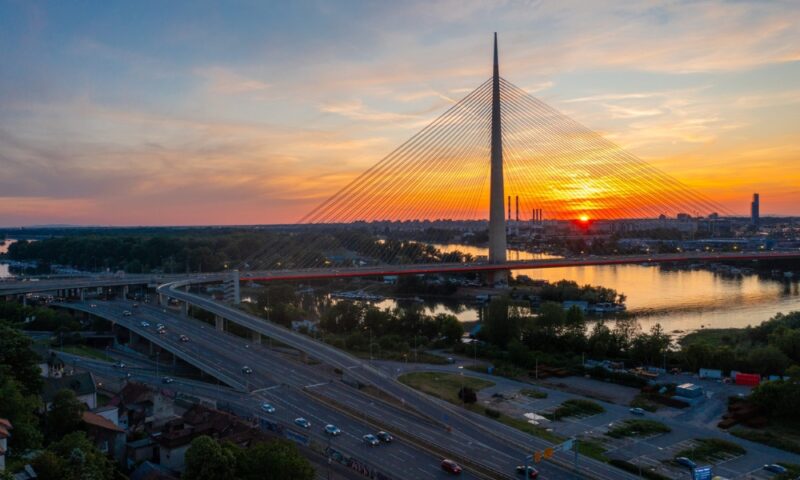
The Western Balkans is one of Europe’s last truly undiscovered travel regions – a patchwork of dramatic mountains, medieval old towns, turquoise rivers and Adriatic coastline still largely untouched by mass tourism.
Stretching across Bosnia and Herzegovina, Serbia, Montenegro, North Macedonia and Albania, the region rewards travelers willing to trade well-worn itineraries for something more authentic.
Getting around is easier than most people expect, too: a dense network of regional coach and bus lines connects even the smaller towns to major cities and to neighboring countries.
Here are ten destinations that capture everything the Western Balkans has to offer.
1. Sarajevo, Bosnia and Herzegovina
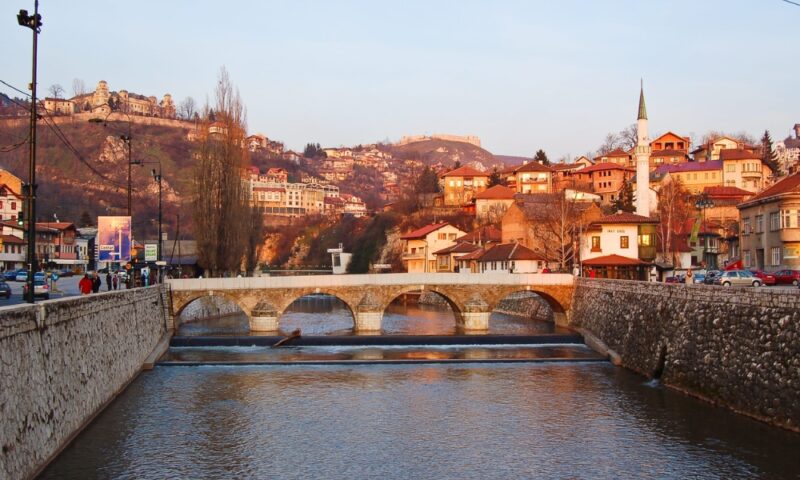
Sarajevo is usually the first stop for travelers exploring the region, and for good reason. The Baščaršija old town blends Ottoman-era architecture with Austro-Hungarian buildings just a few streets away – a visual reminder of the many empires that have shaped the city.
The Sarajevo Tunnel Museum offers a sobering look at the 1990s siege, while the surrounding hills, home to former Winter Olympic venues, provide excellent hiking in summer and skiing in winter.
In the evenings, the cafés along the cobbled streets of the old town fill with locals lingering over Bosnian coffee, a ritual worth slowing down for. Sarajevo’s compact center makes it an easy city to explore entirely on foot over two or three days.
2. Mostar, Bosnia and Herzegovina
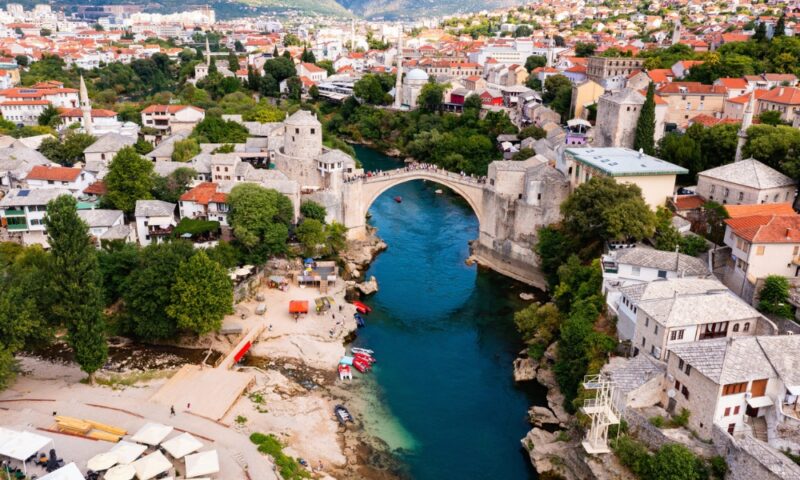
No trip to Bosnia is complete without seeing the Stari Most, the elegant 16th-century stone bridge that gives Mostar its name and its most iconic photo opportunity.
Local divers leap from the bridge into the Neretva River below throughout the summer, drawing crowds along the riverbanks.
The old bazaar surrounding the bridge is lined with shops selling handmade copperware and traditional Bosnian coffee sets, making it an easy place to pick up souvenirs.
For those with extra time, the Kravice Waterfalls sit just a short drive away and make for an easy half-day trip for anyone craving nature and a swim in warmer months.
3. Livno, Bosnia and Herzegovina
Tucked into the Dinaric Alps between Split and Sarajevo, Livno is one of Bosnia’s most underrated stops.
The vast Livanjsko polje karst field is home to herds of wild horses roaming freely across the plain – a sight found almost nowhere else in Europe – and the surrounding hills and lakes make the area a haven for hikers and nature photographers.
The town is also known for Livanjski sir, widely regarded as the oldest cheese produced in Bosnia and Herzegovina, and a stop at a local market is well worth it for cheese lovers.
Livno makes a convenient addition to a longer regional route: Livno Bus lines connect the town to Split, Zagreb and Sarajevo, with international connections reaching as far as Germany, making it easy to fold into a broader Balkan itinerary.
4. Kotor, Montenegro
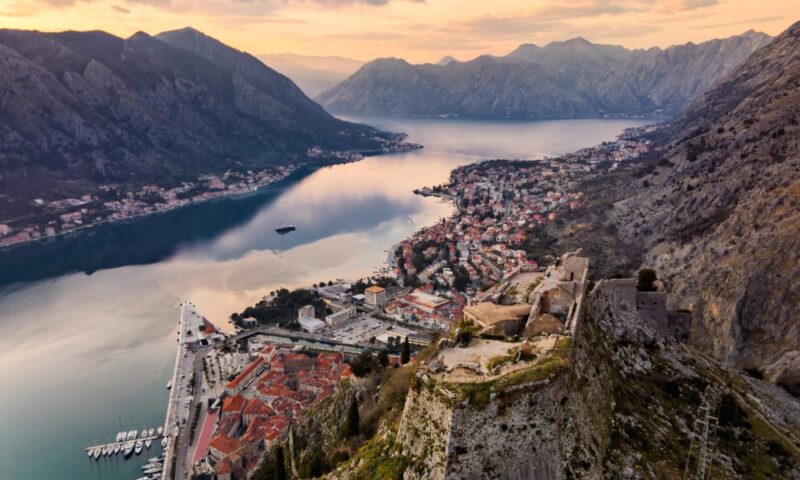
Set inside a dramatic fjord-like bay, Kotor’s walled old town is one of the most photographed spots on the Adriatic coast.
Climbing the fortress walls above the city rewards visitors with sweeping views over the bay and the mountains that frame it, while the maze of stone streets, churches and small squares below is easy to lose an afternoon exploring.
Cruise ships stop here frequently during peak season, so arriving early in the morning or staying overnight tends to reward visitors with a noticeably quieter experience and better light for photos.
5. Durmitor National Park, Montenegro
For a complete change of pace, head inland to Durmitor, a UNESCO-listed national park of jagged peaks, glacial lakes and one of Europe’s deepest canyons.
The Tara River Canyon draws rafters throughout the summer months, while the small town of Žabljak serves as a base for hiking trails ranging from easy lakeside walks around Black Lake to multi-day mountain treks.
Winter transforms the area into one of Montenegro’s main ski destinations, making Durmitor a rare year-round outdoor destination in the region.
6. Belgrade, Serbia
Serbia’s capital has one of the liveliest nightlife scenes in Europe, but it’s just as rewarding during the day.
Kalemegdan Fortress, overlooking the confluence of the Sava and Danube rivers, is the city’s historic heart and a popular spot to watch the sunset.
The pedestrian-only Knez Mihailova Street connects the fortress to the city center and is lined with shops, cafés and street performers.
Skadarlija, the old bohemian quarter, is the best place to try traditional Serbian cuisine alongside live music, and it’s worth timing a visit for the evening, when the neighborhood is at its most atmospheric.
7. Novi Sad, Serbia
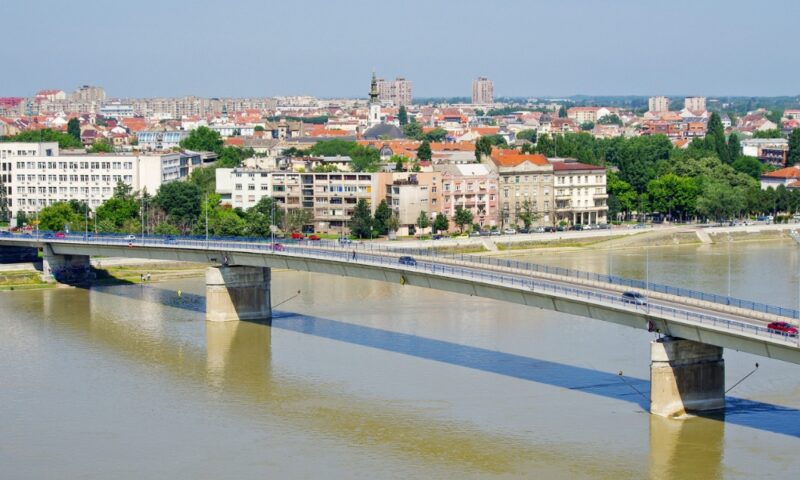
Just an hour north of Belgrade, Novi Sad offers a calmer, more laid-back alternative.
The imposing Petrovaradin Fortress sits above the Danube and hosts the EXIT music festival each summer, but it’s worth visiting year-round for its underground tunnels and panoramic river views.
The compact old town, with its pastel-colored buildings and pedestrian squares, is easy to explore on foot in a single afternoon, making Novi Sad a natural day trip or an overnight stop for travelers moving between Belgrade and destinations further north.
8. Ohrid, North Macedonia
Ohrid pairs a UNESCO-protected old town with one of Europe’s oldest and deepest lakes.
Byzantine churches dot the hillside above the water, including the cliffside Church of St. John at Kaneo, one of the most photographed churches in the Balkans.
In summer, the lakefront comes alive with swimmers, boat trips and lakeside restaurants, while the surrounding hills offer quieter walking trails and views back over the town’s red rooftops.
The old town’s narrow stone streets are worth exploring slowly, ideally over at least two days.
9. Tirana, Albania
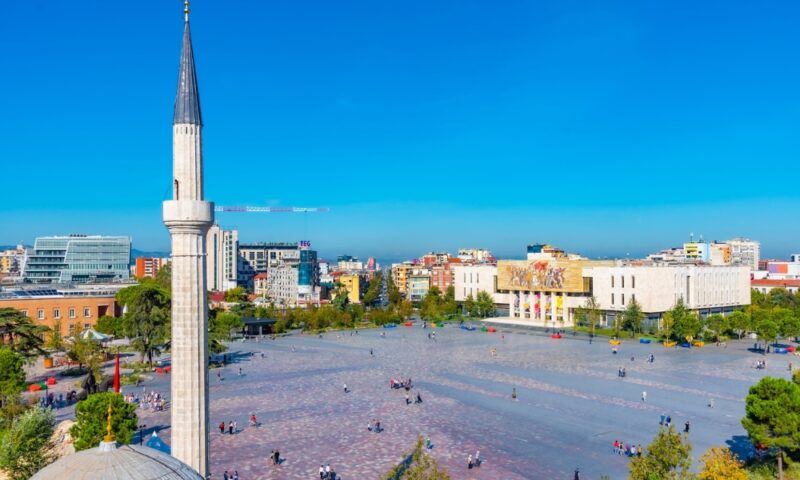
Albania’s capital has transformed dramatically over the past two decades, and Tirana today is colorful, energetic and full of contrasts. Skanderbeg Square anchors the city center, while the Bunk’Art museums, built into former Cold War-era bunkers, offer an unusual and thought-provoking look at the country’s communist past.
The nearby Dajti Mountain cable car provides an easy escape from the city, with panoramic views over Tirana and the surrounding valley. The city’s growing café culture and street art scene make it a good base for a day or two before continuing further into the region.
10. Skopje, North Macedonia
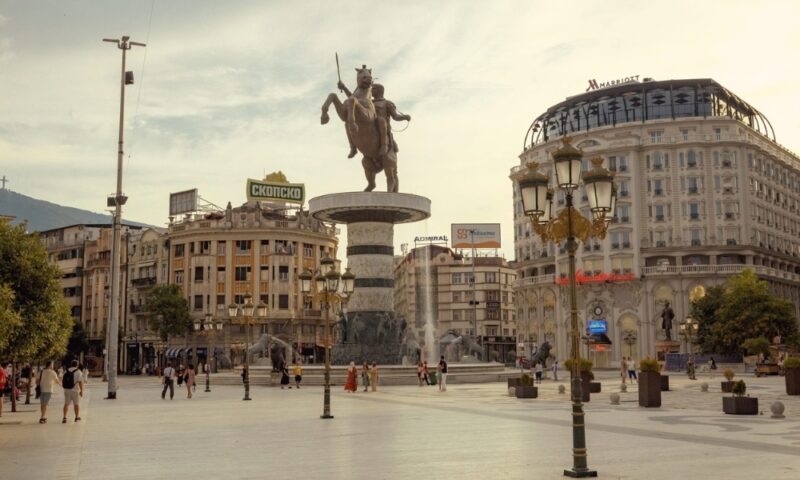
Skopje mixes an ambitious, statue-filled modern center with an Ottoman-era old bazaar just across the Vardar River. The Stone Bridge connects the two halves of the city, with the Kale Fortress above offering good views over both.
The old bazaar is one of the largest and best-preserved in the Balkans, filled with mosques, caravanserais and small workshops selling filigree jewelry and leather goods. Combined with a visit to nearby Ohrid, Skopje makes an easy add-on for travelers exploring North Macedonia in depth.
Conclusion
From wild horses roaming free across Bosnia’s karst fields to fjord-like bays in Montenegro and lakeside churches in North Macedonia, the Western Balkans rewards travelers who venture beyond the region’s most obvious stops.
With regional bus and coach connections linking even smaller towns like Livno to major cities across the region, building a multi-country itinerary is far easier than it might seem.
Whether you have a week or a month, these ten destinations offer a genuine sense of what makes the Western Balkans one of Europe’s most rewarding places to explore right now.