
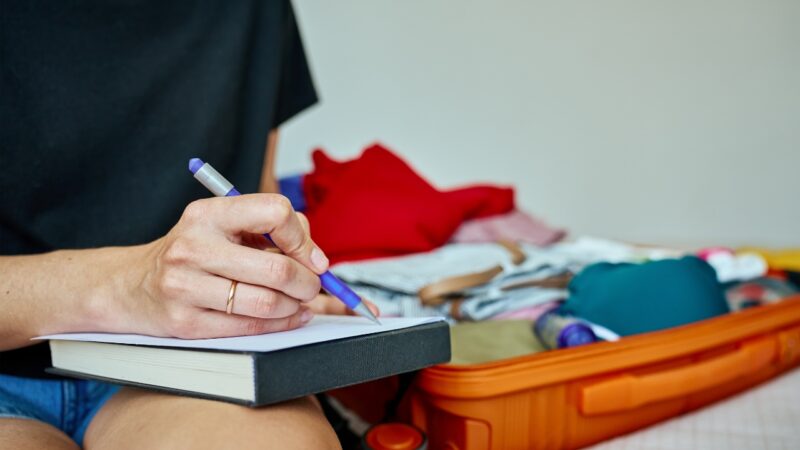
A minimalist packing list works for both a weekend trip and a month abroad when it is built around repeatable outfits, washable layers, carry-on-safe toiletries, core documents, and gear that earns its space every day.
Packing light matters even more because airline baggage fees, tighter basic economy rules, and crowded travel seasons make extra luggage expensive and slower to manage.
The safest formula is simple: pack for 5 to 7 days, even when leaving for 30 days, then do laundry, rewear layers, and buy cheap consumables at the destination.
View this post on Instagram
That approach works best with a bag that has enough room for repeatable outfits but not so much space that it encourages overpacking, which is where a Grainmark Leather duffle bag can make sense for travellers who like a classic weekender format.
The goal is not to own fewer items for the sake of it. The goal is to move through airports, buses, guesthouses, taxis, and train stations without dragging a second problem behind you.
The Core Minimalist Packing Rule
Pack for one normal week, not for the whole trip.
A weekend trip and a month abroad look different on a calendar, but the bag logic is almost identical. Clothes can be washed. Toiletries can be replaced. Documents, medication, chargers, and comfortable shoes matter far more than a fourth “maybe” outfit.
The IATA forecast for 2026 points to 4.9% year-over-year passenger traffic growth, measured in revenue passenger kilometres.
Plain meaning for travellers: airports, cabins, and overhead bins are likely to stay busy. Carrying less cuts friction at the exact moments when travel already feels compressed.
| Trip Type | Best Bag Setup | Human Consequence |
| Weekend domestic trip | Personal item or small carry-on | Faster boarding, no baggage claim |
| 7 to 10 days | Carry-on plus small day bag | Enough flexibility without checked-bag risk |
| 2 weeks to 1 month abroad | Carry-on backpack or cabin suitcase | Laundry replaces extra outfits |
| Cold-weather month abroad | Carry-on plus worn outerwear | Bulky clothing stays on the body, not in the bag |
Clothing: The 5-Day Wardrobe That Stretches To 30 Days
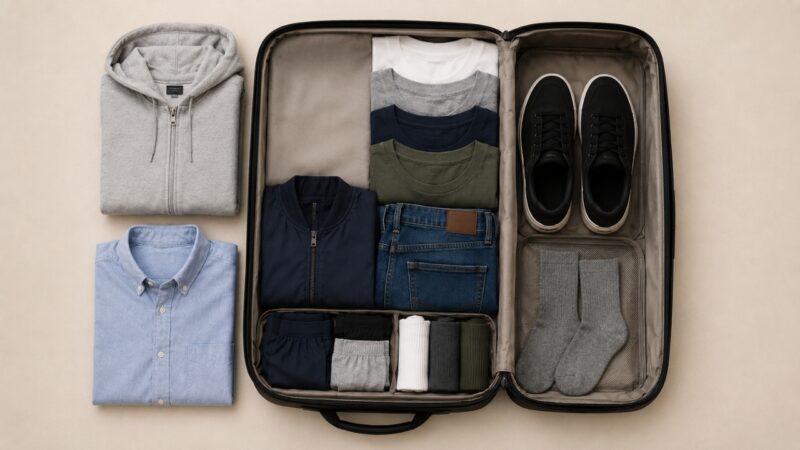
The strongest minimalist clothing system is a 5-day wardrobe with laundry built in.
For most travellers, pack:
| Item | Weekend | Month Abroad |
| Tops | 2 | 5 |
| Bottoms | 1 to 2 | 2 to 3 |
| Underwear | 3 | 6 to 7 |
| Socks | 2 to 3 | 5 to 6 |
| Sleepwear | 1 | 1 |
| Light layer | 1 | 1 |
| Shoes | 1 worn, optional spare | 1 worn, optional spare |
| Dressier item | Optional | 1 if needed |
The clothes should share one colour range. Black, navy, grey, white, olive, beige, and denim work because they can mix without much thought. A traveller in Lisbon, Tokyo, Chicago, or Belgrade can get far more use from 5 coordinated pieces than from 10 random ones.
Synthetic fabrics dry faster. Merino wool resists odour well, but it costs more and still needs care. Cotton feels familiar, yet it dries slowly in damp apartments and hotel bathrooms. For a month abroad, drying time is not a minor detail. It decides whether laundry is easy or annoying.
The Real Minimalist Toiletry Kit
A minimalist toiletry kit should pass airport screening, last through the first few days, and stay replaceable.
For U.S. airport screening, the TSA liquids rule limits carry-on liquids, aerosols, gels, creams, and pastes to containers of 3.4 ounces or 100 millilitres. Those containers need to fit inside one quart-size bag.
For a weekend, mini containers are enough. For a month abroad, do not pack a month of shampoo. Buy more after arrival. The exception is anything personal, medical, or hard to replace in another country. Documents deserve more planning than clothes. For international travel, the State Department checklist advises travellers to check passport expiration early. Some destinations require at least 6 months of passport validity beyond travel dates, and airlines may refuse boarding when passport validity falls short. Save offline copies on your phone. Keep one printed copy separate from the original passport. A phone battery at 2% is not a document strategy. The right tech kit keeps you connected without turning your bag into a cable drawer. The FAA says spare lithium batteries and power banks must travel in carry-on baggage only. If a carry-on is checked at the gate, the passenger must remove power banks and spare lithium batteries and keep them in the aircraft cabin, according to FAA PackSafe guidance. That rule affects real travel behaviour. A power bank buried in a suitcase can become a gate-check problem. Keep it in the personal item, not deep inside the main bag. A laptop is the most overpacked item for leisure trips. Bring it for remote work, long writing sessions, photography backup, or business travel. Leave it home for a beach weekend or city break where a phone can handle tickets, maps, banking, and bookings. Shoes break down minimalist packing faster than jackets, jeans, or toiletries. The best default is one worn pair of comfortable walking shoes. For many trips, that is enough. Add a second pair only when the trip has a clear need: sandals for hot beaches, dress shoes for a wedding, trail shoes for hiking, or flats for formal dinners. The trade-off is comfort versus bag volume. A second pair of shoes can take 20% of a small carry-on. If the extra pair solves one evening outfit but makes every transit day harder, it has failed the trip. A practical test: would you still pack that second pair if you had to carry your bag up 4 flights of stairs? If not, leave it. Most minimalist packing lists focus on what goes inside the bag, but the missed decision is laundry access. For a month abroad, laundry decides the whole system. Before packing, check whether your accommodation has a washer, a nearby laundromat, hotel laundry service, or drying space. A 5-shirt packing plan works in Vienna with a washer. It feels worse in a tiny guesthouse with no drying rack during rainy weather. Also, check the local shopping reality. Replacing toothpaste in Paris is easy. Finding the same contact lens solution, prescription item, hair product, or wide-size walking socks may be harder. Minimalism works best when it separates replaceable items from personal essentials. A weekend bag should be almost boring. Wear the bulkiest clothing during travel. A hoodie, jeans, jacket, and walking shoes should live on the body during transit. The bag should hold the softer, lighter pieces. A month abroad needs better systems, not more things. For warm destinations, clothes shrink in volume, but sunscreen and sweat management matter more. For cold destinations, the worn outfit carries the weight: coat, boots, thick sweater, and heavier trousers should not sit inside the suitcase. A carry-on is the best default for most minimalist travellers, but the cheapest ticket may not include one. U.S. airline baggage charges are large enough to affect trip budgeting. The Bureau of Transportation Statistics tracks airline baggage fee revenue in its BTS baggage-fee data, while Reuters reported in April 2026 that American Airlines and Alaska Air raised checked-bag fees amid higher fuel pressure. For travellers, the lesson is plain: luggage is part of the fare decision, not an afterthought. A personal-item-only strategy sounds clever until the airline gate agent measures the bag. Measure your actual packed bag, not the empty product listing. Use the “wear, wash, replace” method. Wear the heaviest items. Wash repeatable basics. Replace low-value consumables after arrival. Protect the small category of items that cannot be replaced quickly: passport, cards, medication, prescription eyewear, key chargers, and destination-specific paperwork. For a weekend, that method creates speed. For a month abroad, it creates freedom. You are no longer packing for every imagined version of the trip. You are packing for the trip, you can actually manage while tired, delayed, walking over cobblestones, or trying to catch a train. The minimalist packing list that works for a weekend and a month abroad is not based on deprivation. It is based on repetition, laundry, small toiletries, fewer shoes, and strong document planning. In 2026, light packing also protects money and time because baggage rules, airline fees, and crowded airports reward travellers who travel with less. Pack for one week. Build around outfits that mix. Keep power banks and documents close. Buy replaceable items later. The result is a bag that fits the trip instead of controlling it.
Documents and Money: The Items That Cannot Fail
Item
Why It Matters
Passport or national ID
Border control, hotels, transport checks
Visa or entry authorisation
Required before arrival in many countries
Travel insurance details
Medical or trip disruption proof
Debit card plus credit card
Backup when one card fails
Small emergency cash
Useful during outages or card declines
Digital copies
Faster replacement after loss or theft
Tech Gear: Bring Less, But Protect The Essentials
Shoes: The Place Where Minimalism Often Fails
What People Usually Miss
Weekend Trip Packing List
Month Abroad Packing List
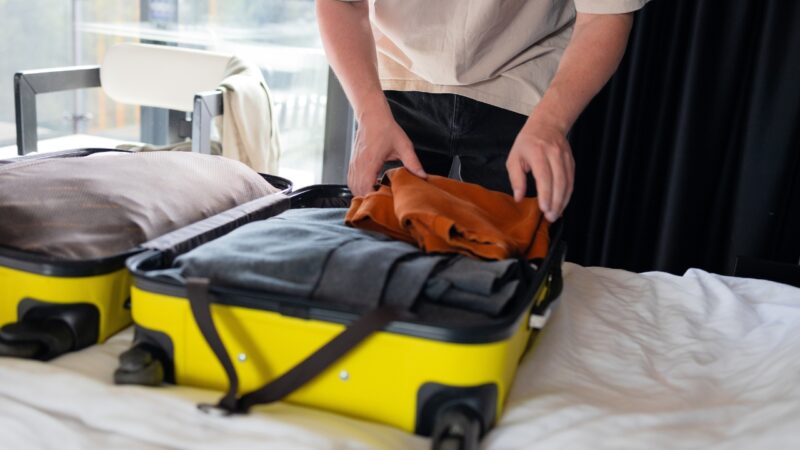
Carry-On, Personal Item, Or Checked Bag?
Bag Choice
Best For
Risk
Personal item only
Ultra-short trips, budget airlines
Limited clothes, strict sizing
Carry-on suitcase
City trips, business travel
Overhead bin competition
Carry-on backpack
Trains, stairs, old streets
Can feel heavy on long walks
Checked bag
Gear-heavy trips, family travel
Fees, baggage claim, mishandling
The Minimalist Packing Method That Works
Summary