
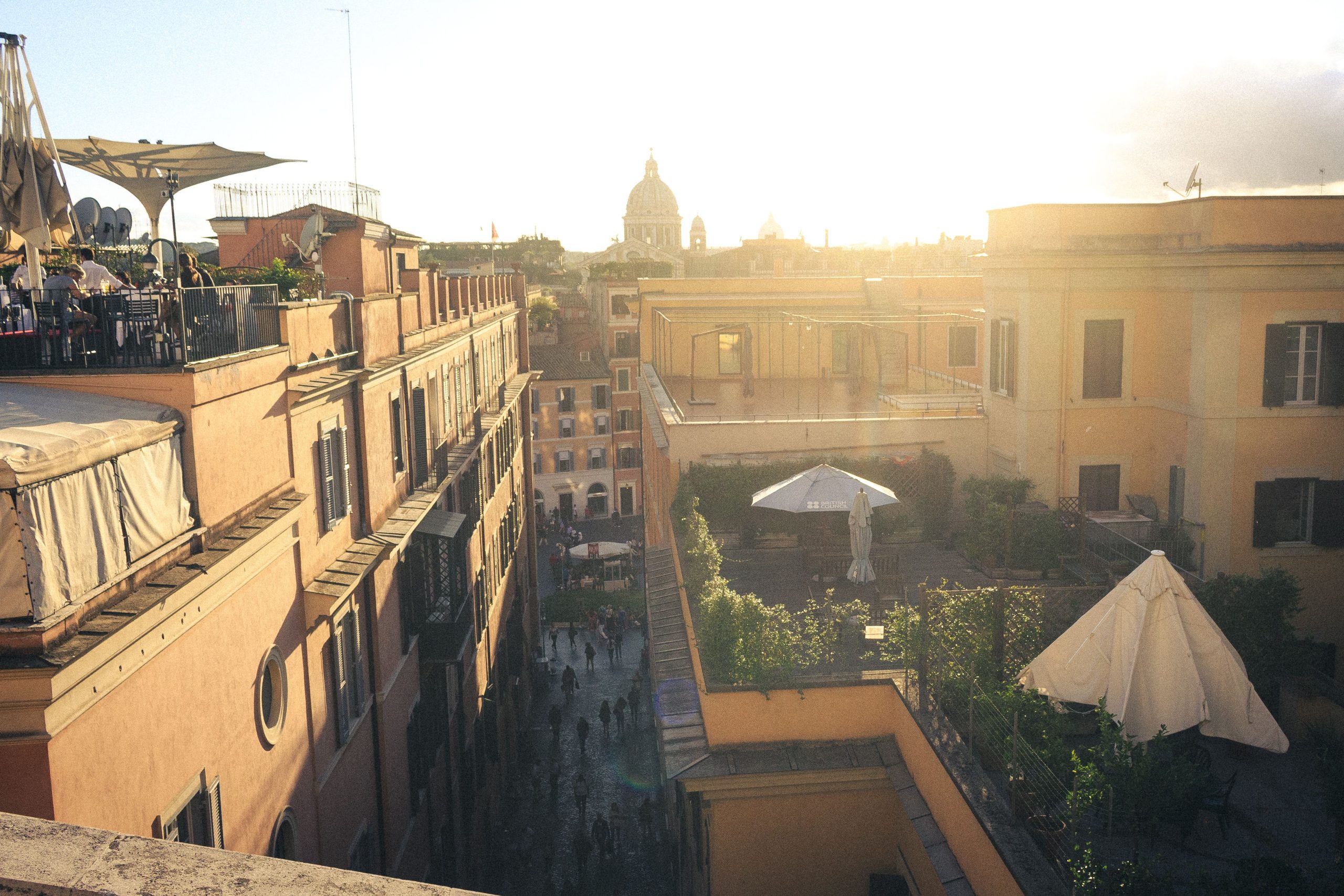
A luxury weekend in Europe is not a shorter version of a two-week holiday. It is a small, carefully edited escape: one excellent hotel, a city that is easy to enjoy on foot, and a handful of experiences with enough space between them to feel special. The usual mistake is trying to “make the most” of every hour. That often means spending the weekend looking at a clock.
Plan around the moments you want to remember, then protect the time around them. The result can feel generous even when you have only two nights.
Choose a city for its rhythm, not its checklist
Start with the practical question: how much of the weekend will you actually spend in the city? A Friday-night arrival and Sunday-afternoon departure leave little room for a destination that depends on long transfers or ambitious day trips. Check the journey from the airport or station, the likely arrival time, and whether your hotel is near the neighbourhoods you want to explore.
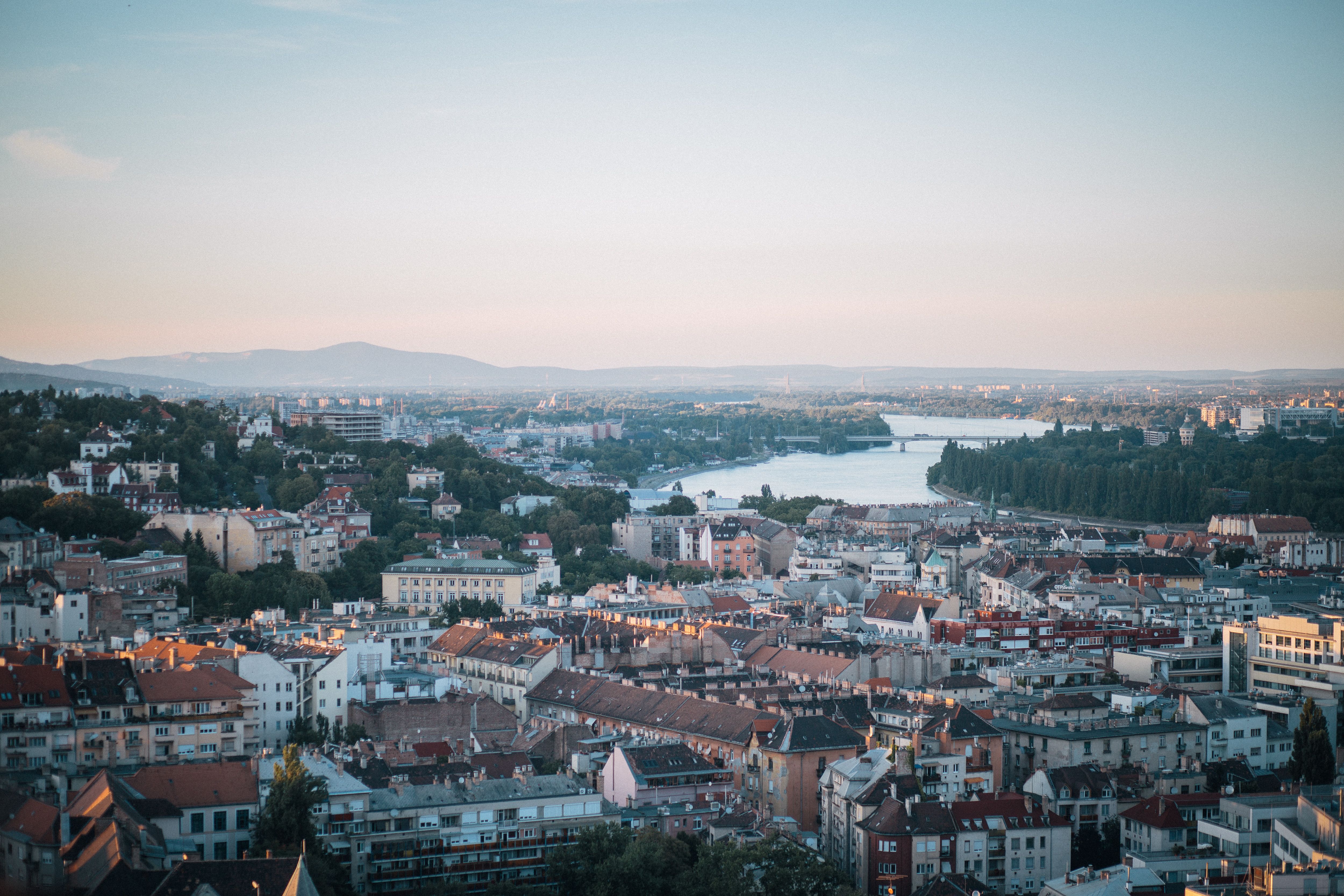
Then choose one defining pleasure. In Lisbon, that might be a long lunch and an evening view over the rooftops; in Budapest, a thermal-bath visit followed by a riverside stroll; in Dubrovnik, time inside the Old Town balanced with a swim or a slow dinner. Budapest’s Danube skyline is a reminder that a city’s atmosphere can be the main event, not just the backdrop between attractions.
My rule is to book one “anchor” experience per full day, not three. It could be a guided architecture walk, a spa treatment, a concert, or a restaurant reservation. Everything else should be close enough to fit around it without turning a pleasant weekend into a sequence of transfers.
The hotel is part of the itinerary
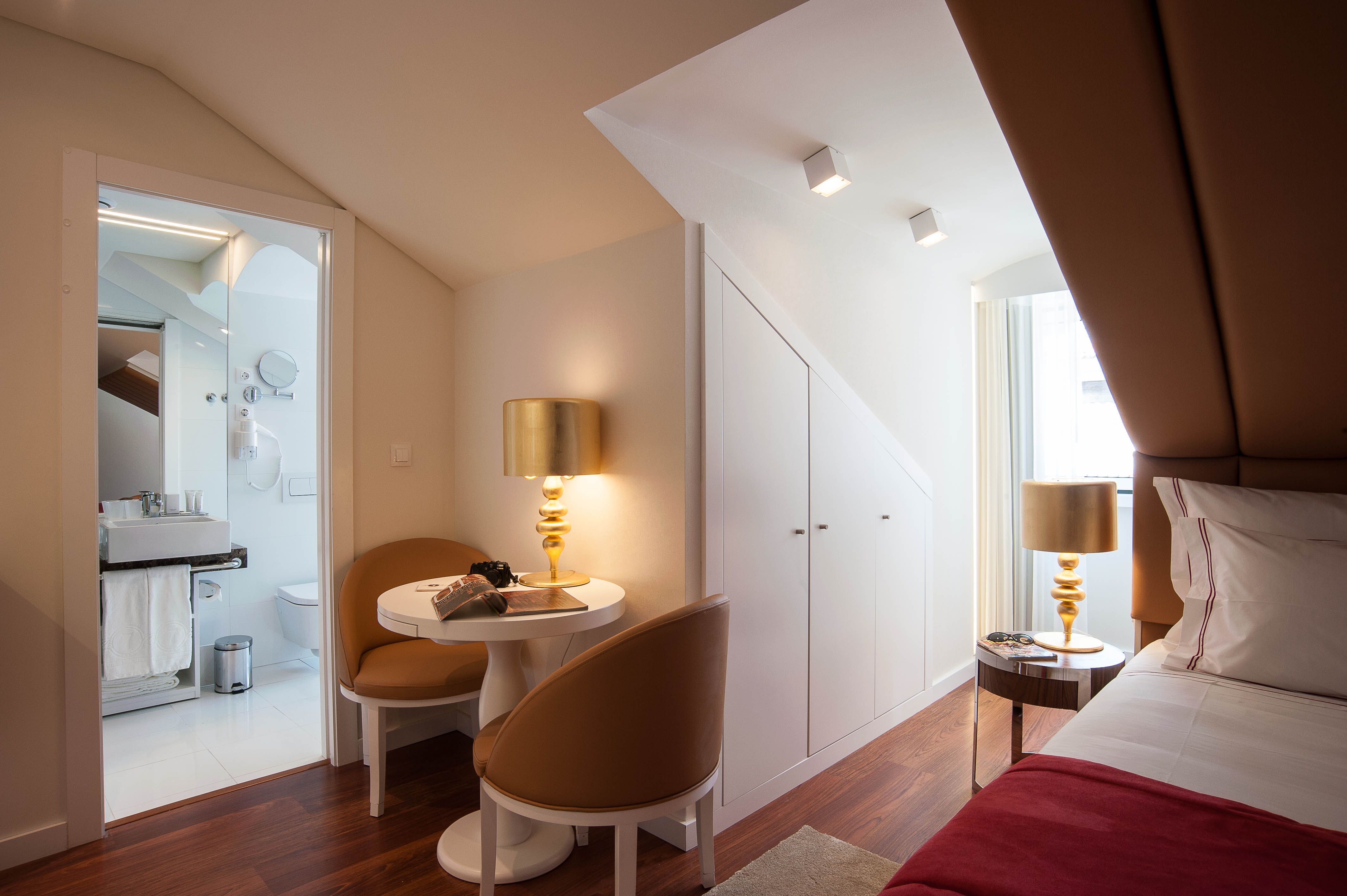
For a short break, location is a luxury in its own right. A beautiful room that requires a taxi for every coffee can cost you more time than it saves in comfort. Prioritize a quiet room, genuinely good service, a comfortable bed, and a neighbourhood where you can step out for breakfast or a late drink. A spa, rooftop, or pool is worth paying for if you will use it; otherwise, it is an expensive amenity you admire on the booking page.
Be specific about what “luxury” means to you. If it means privacy, request a room away from lifts and street noise. If it means ease, ask the hotel to arrange airport transfers and dinner bookings before arrival. If the room itself is the point, choose somewhere you will be happy to return to for an afternoon break rather than treating it as a base you barely see.
Give the weekend a shape, not a timetable
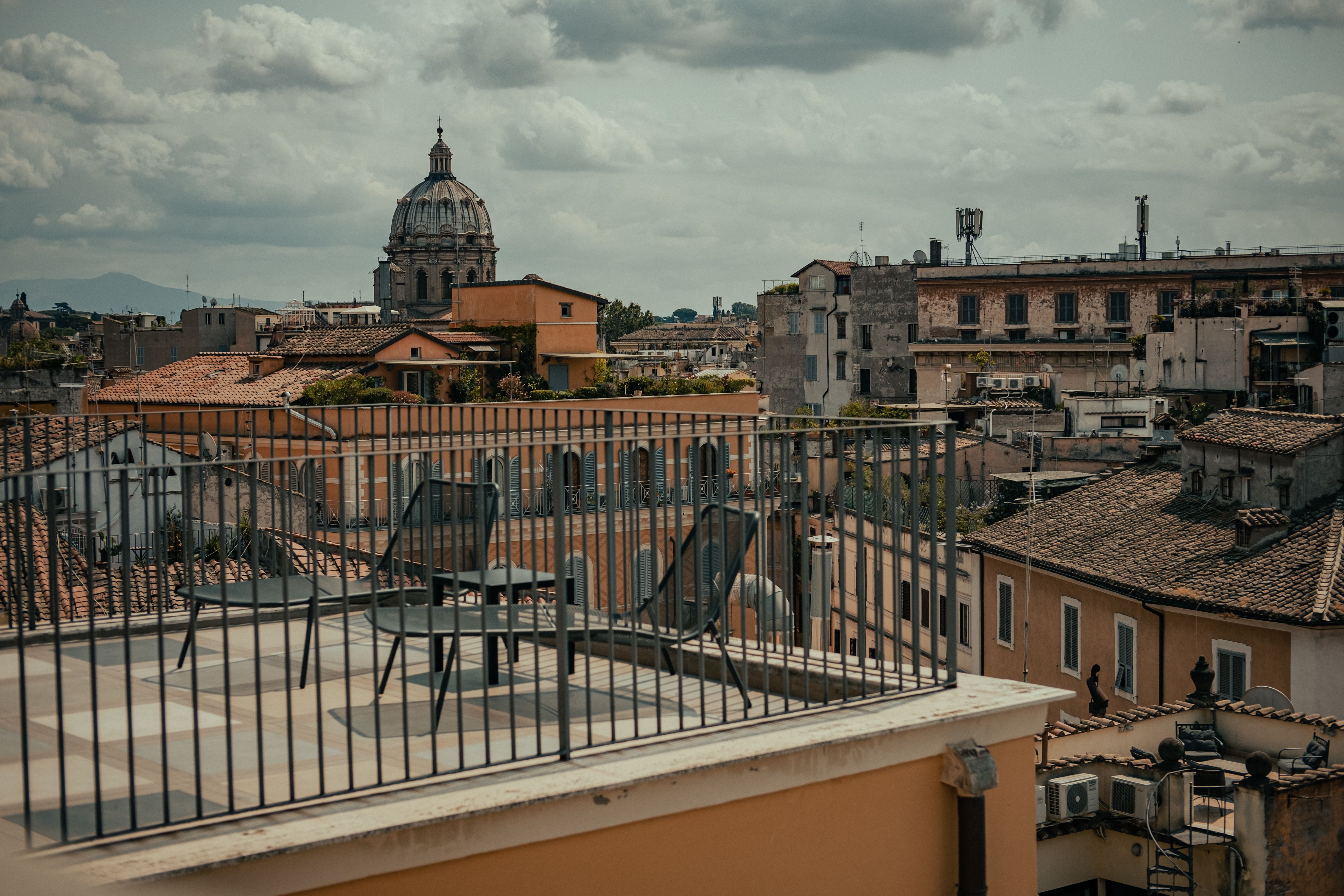
Friday is for arriving; Saturday is for the city; Sunday is for leaving gently. That simple structure is more useful than planning every meal and museum in advance.
On Friday, check in, take a short orientation walk, and choose dinner close to the hotel. Resist the urge to cross town for the “best” restaurant after a delayed flight. Saturday morning is the time for your most important reservation or visit, when you are rested. Leave the afternoon open for a market, a gallery, a long lunch, or simply a return to the room.
Sunday works best with one nearby pleasure: a leisurely breakfast, a final neighbourhood walk, or a museum on the way toward your departure. Leave a buffer for checkout and transport. There is little luxury in eating pastries at speed because a carefully planned brunch was too far from the station.
Passes can help, but check their fine print before building the day around them. Official Lisboa Card guidance says timed reservations are required for Belém Tower and Jerónimos Monastery, and the card must first be redeemed before those slots can be booked. That is a useful reminder that bundled entry does not always mean walk-up access. Check current opening days, reservation steps, and any closures directly with the official Lisboa Card information before you go.
Make one evening feel distinctly yours
Luxury is often less about the bill than about the fit. Pick a restaurant for the kind of evening you want: lively and late, intimate and quiet, or close to a performance you have booked. Ask the concierge for a table that suits the occasion, but do not let a famous address dictate the entire night. A neighbourhood restaurant with a thoughtful menu can be a better memory than a room full of people photographing the same plate.
In Munich, travelers planning a tailored evening with a private companion can review a local service such as escort München and arrange expectations directly in advance. As with any bespoke booking, confirm the details, timing, and boundaries clearly rather than leaving logistics to the last minute.
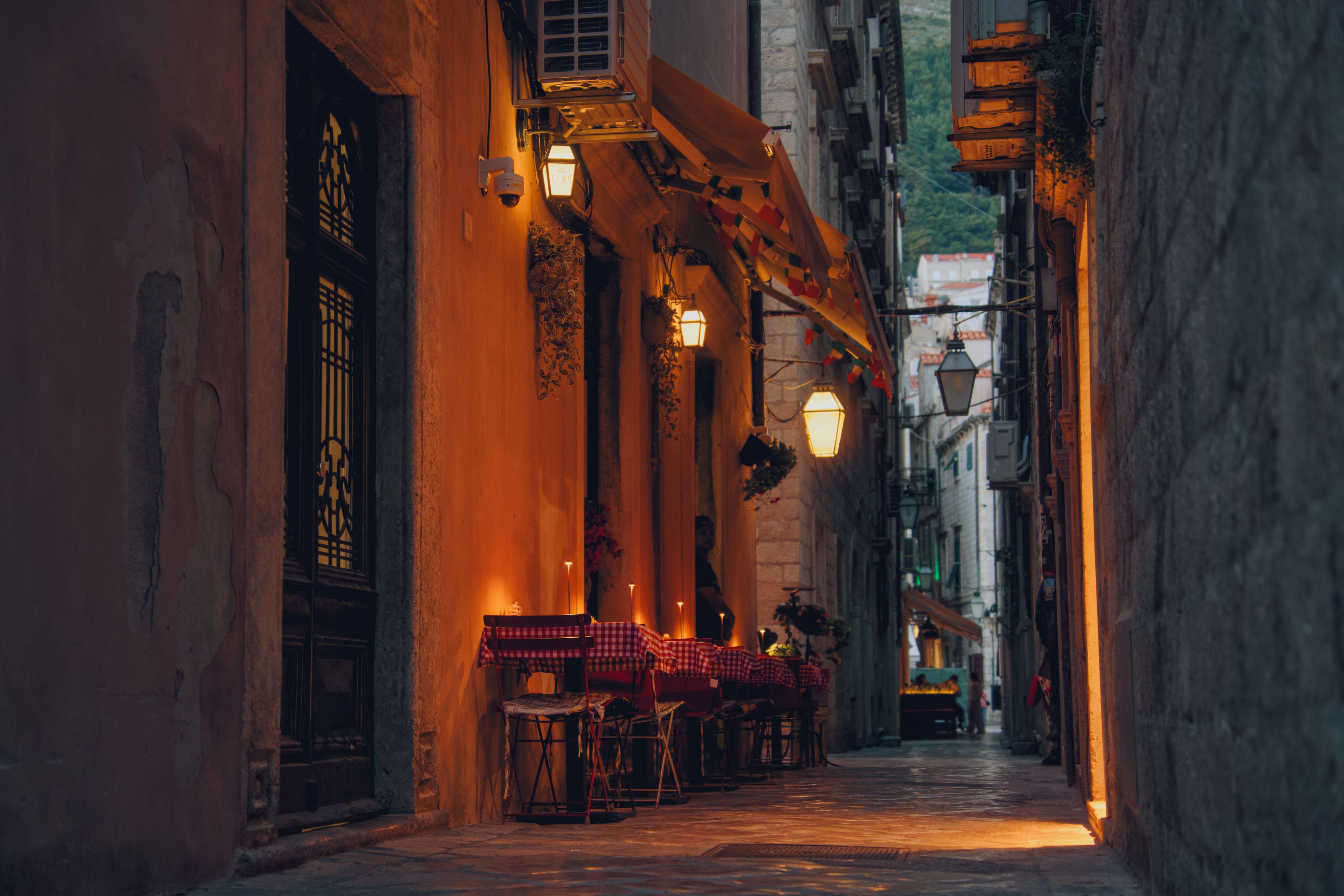
In Dubrovnik, dinner in a candlelit lane can feel wonderfully cinematic; in busy periods, the smarter move may be to reserve a table just outside the busiest stretch and arrive before the evening rush. Save some time after dinner for a walk. The conversation on the way back is often better than squeezing in one more bar.
Make the journey part of the decision
Compare door-to-door time, not just the headline flight or train duration. A central rail station can make a train journey feel effortless, while an airport transfer and security queue can consume a surprising share of a weekend. The European Environment Agency’s 2021 review found rail to be much more greenhouse-gas-efficient per passenger-kilometre than aviation across the EU-27 data it examined for 2014–2018. The same report notes that distance, geography, time pressure, and door-to-door needs limit when one mode can replace another. Its figures are broad averages, not a calculator for a particular route, but they support taking a direct train seriously when the schedule suits.
If flying is the sensible option, choose a nonstop route where possible, travel with a compact bag, and arrange the transfer before landing. For either mode, make your first booking the one that protects the most time: a hotel near the centre, a transfer after a late arrival, or a timed visit you would be disappointed to miss.
Spend for ease, leave room for surprise
Before you confirm the weekend, ask three questions: Is the hotel close to the places I care about? Is there one reservation I am genuinely excited about? Have I left enough empty space to follow a good recommendation or sit somewhere longer than planned?
If the answer to the last question is no, remove an activity. A luxury city break should not require recovery time when you get home. Choose a city with a manageable footprint, spend on the details that reduce friction, and let the unscheduled hours do their work. The best weekend itinerary is not the one with the most pins on a map; it is the one that makes Sunday evening feel a little too soon.