
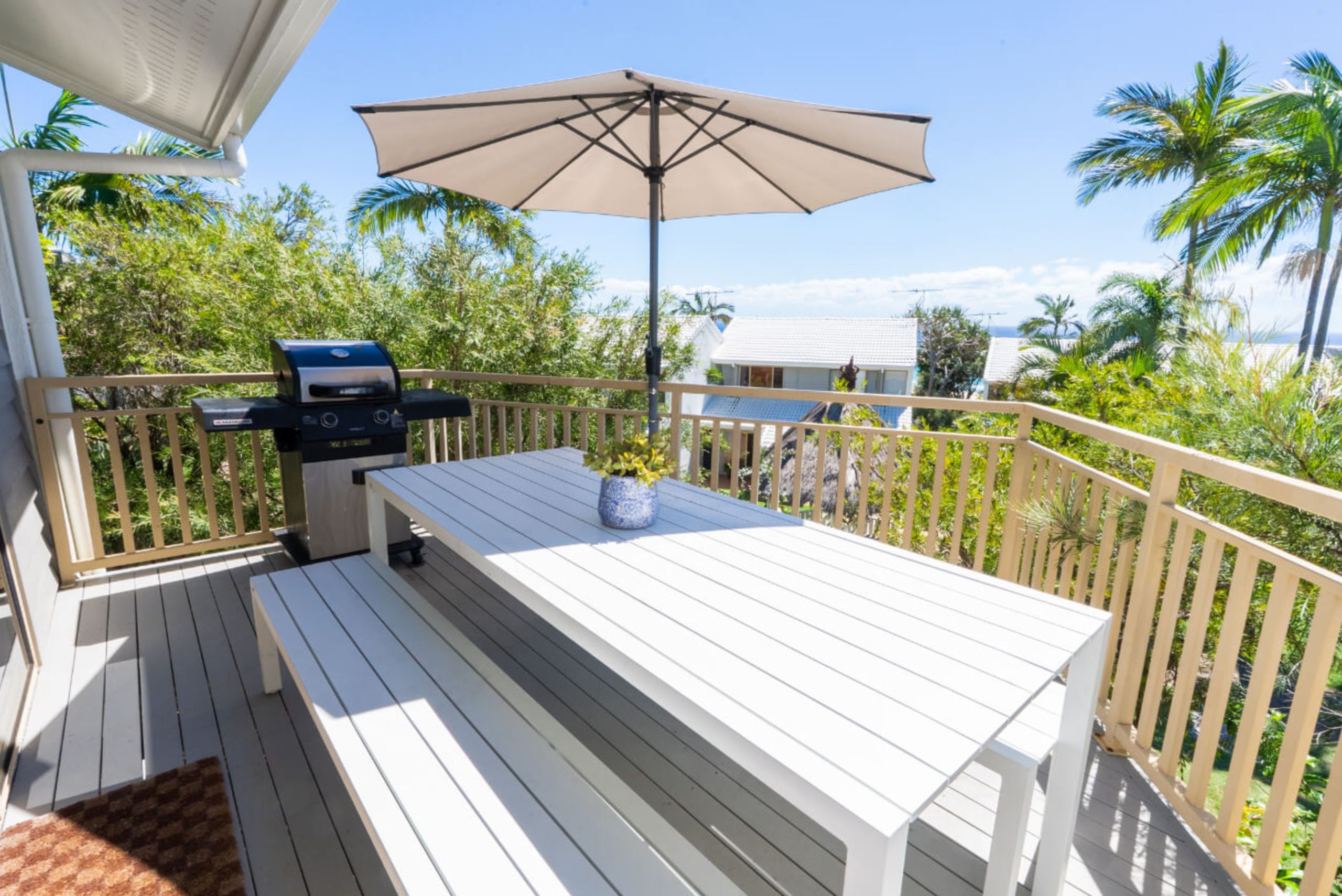
When travelers search for a holiday rental, they usually start with photos of the bedrooms and bathrooms. Many of them decide to book based on what happens outside. A good backyard, patio, or deck gives guests a place to unwind, eat together, and feel that the trip is worth the money. Industry research points the same way. Expedia Group’s consumer research found that 31% of respondents said the quality of a home’s outdoor amenities was the key factor in choosing a vacation home. The Expedia trends report on outdoor amenities covers how travelers now weigh outdoor features alongside the interior.
Below are seven outdoor features that consistently make a holiday rental more appealing, along with practical notes on what guests value and what hosts should consider.
Table of Contents
- Swimming Pool or Hot Tub
- Shaded Lounging Areas
- Fire Pit and Evening Seating
- Thoughtful Outdoor Lighting
- Outdoor Dining Space
- Privacy and Fencing
- Views and Soaking Spots
1. Swimming Pool or Hot Tub
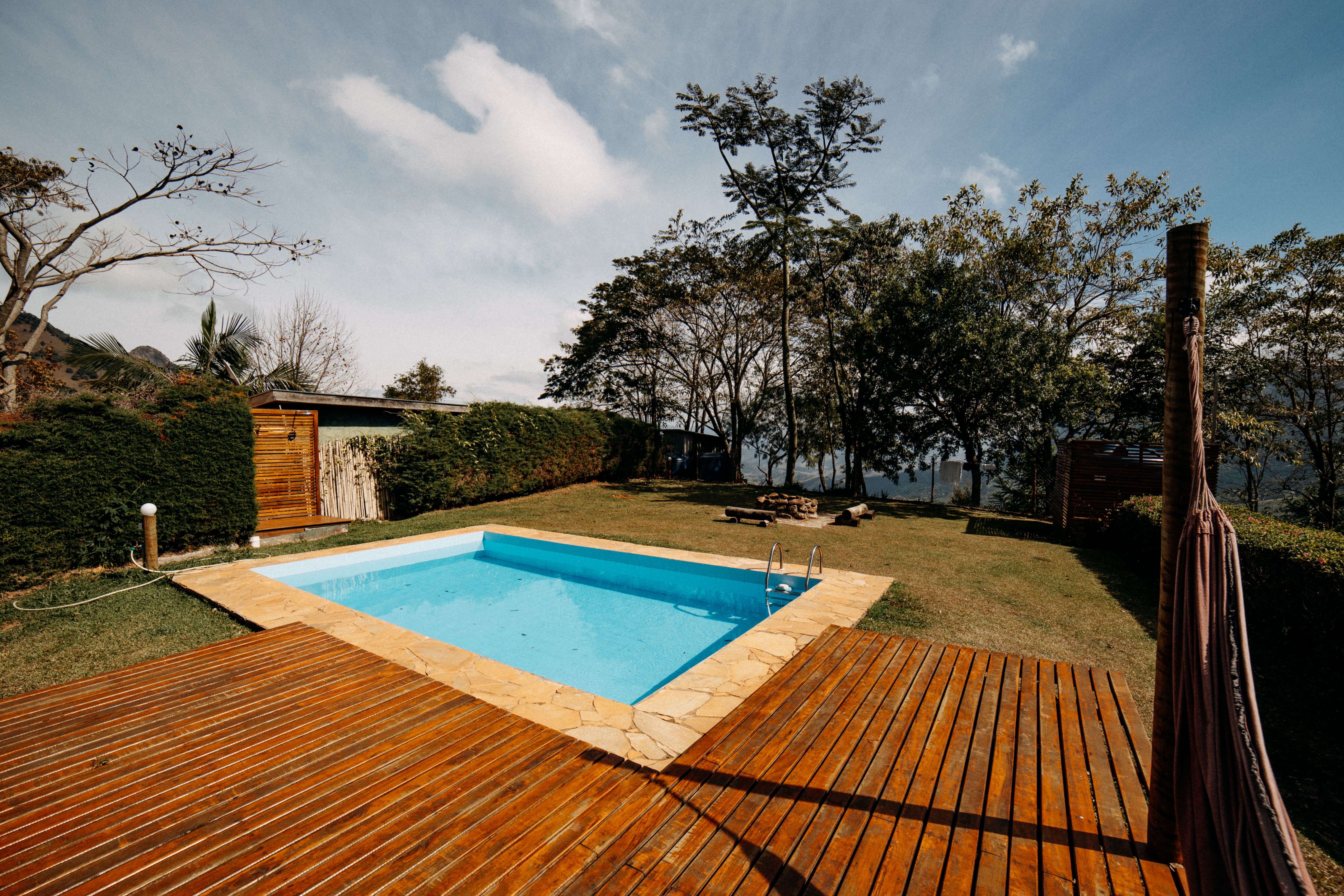
A pool or hot tub is often the first feature guests filter for. Airbnb’s own guidance lists pools and hot tubs among the amenities guests search for most often, and its overview of the amenities guests want ranks both near the top. Pools suit larger properties and warm climates. Hot tubs fit smaller yards and can work year-round. A few things help a pool or hot tub earn bookings:
- Clear, current photos that show the water and the surrounding deck
- Posted safety rules and, where required, a secure barrier
- Towels, a rinse station, or a small storage bench nearby
- A clear note in the listing about opening months or seasonal closures
2. Shaded Lounging Areas
Sun loungers are useful, but guests want somewhere to sit out of the midday heat. A covered pergola, a large umbrella over a few chairs, or a shaded corner of the garden can change how a family uses the yard. Shade also protects furniture and extends the hours the space is comfortable. Hosts who add a few cushioned loungers and a side table to a shaded spot often find that guests spend more time outside, which tends to lead to better reviews.
3. Fire Pit and Evening Seating
A fire pit turns an ordinary evening into something guests remember. Research from the 2025 Glamping Americas session found that 56% of guests described a private patio with a fire feature as their ideal outdoor setup, which is a strong signal for hosts. When adding a fire pit, consider the following:
- Choose wood-burning, gas, or propane depending on local fire rules and insurance terms
- Place seating at a comfortable distance, with weather-resistant chairs
- Provide firewood or clear instructions on where guests can buy it
- Keep a fire extinguisher or bucket of sand within easy reach
4. Thoughtful Outdoor Lighting
Good lighting makes an outdoor area usable after sunset, and it is one of the cheapest upgrades a host can make. Guests need enough light to walk safely from the door to the patio, find the steps to the hot tub, and read a book at the table. Low-level path lights, warm string lights over a dining area, and a motion-sensor light at the gate work well together. Avoid harsh white floodlights that spoil the view and disturb neighbors. Warm tones (around 2700K) tend to feel more relaxing.
5. Outdoor Dining Space
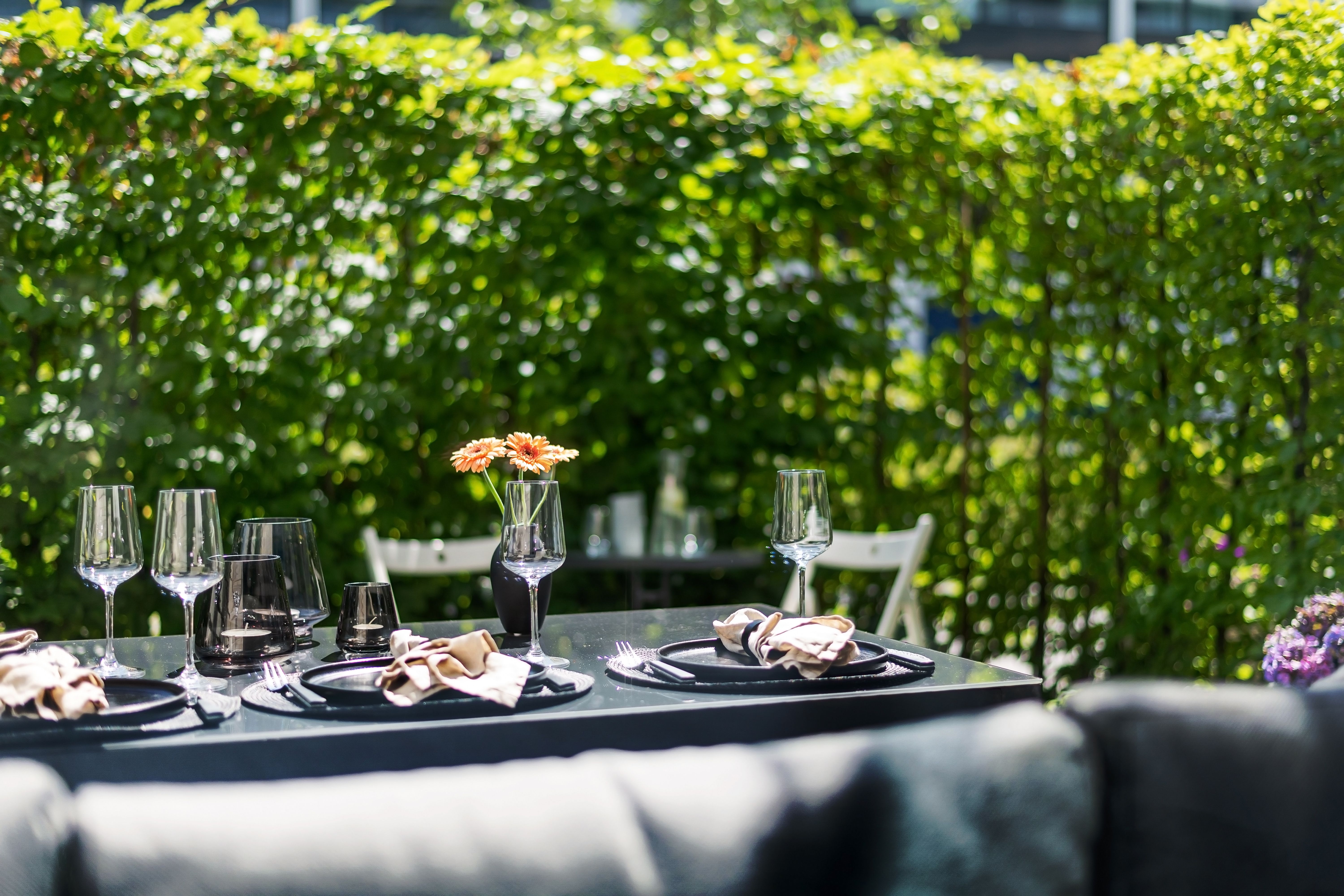
Many travelers rent a home so they can cook and eat together. A proper outdoor table, with enough chairs for the largest group the property sleeps, lets guests enjoy breakfast in the sun or dinner under the stars. A Tripping.com survey of travelers found that 66% enjoy cooking outdoors, including grilling and fire pits, which makes an outdoor kitchen or grill a clear draw. Hosts can make this space work better with:
- A table and chairs sized for the property’s maximum occupancy
- A gas or charcoal grill with a brush, tongs, and a spare propane tank
- Serving items such as trays, a cooler, and wipeable tablecloths
- Shade or a windbreak so the table stays usable on breezy days
6. Privacy and Fencing
Privacy is easy to overlook until a guest has to share a patio with a busy street or a neighbor’s window. Clear boundaries make a property feel secure, especially for families with young children or pets. Solid panels, hedging, and screens each have trade-offs in cost, height, and maintenance. Many hosts choose composite fencing because it resists rot and fading and needs little upkeep between seasons. When planning fencing, check local height limits and any pool-barrier rules before you order materials.
7. Views and Soaking Spots
A view can carry a listing even when the interior is modest. Lake, mountain, or garden views are worth highlighting in your photos and description, and placing seating or a hot tub so guests can actually see the scenery matters as much as the feature itself. Use these tips when setting up a view area:
- Shoot photos during the golden hour, when the light is warm and flattering
- Place loungers and the hot tub to face the view, not the parking area
- Mention the view in the listing title or first paragraph
- Check that railings and steps meet local safety standards
Quick Comparison of the Seven Features
The table below summarizes the main benefit of each feature, who it suits best, and how much ongoing care it generally needs. Use it to decide where to start if your budget is limited.
Where to Start
Not every host can add a pool or a lakeside hot tub. Lighting, shade, and a usable dining table are usually affordable and can be done within a single weekend. Fencing, fire pits, and a hot tub require a larger budget and more planning, but they often justify higher nightly rates. Walk through the property at dusk and again in the middle of the day, and note where guests would naturally want to sit. Those spots are usually where the next improvement belongs.
Final Thoughts
Guests reward outdoor spaces that feel comfortable, safe, and easy to use. Start with the features that suit your location and guest type, describe them clearly in your listing, and photograph them in good light. A well-planned backyard rarely sits empty for long.