
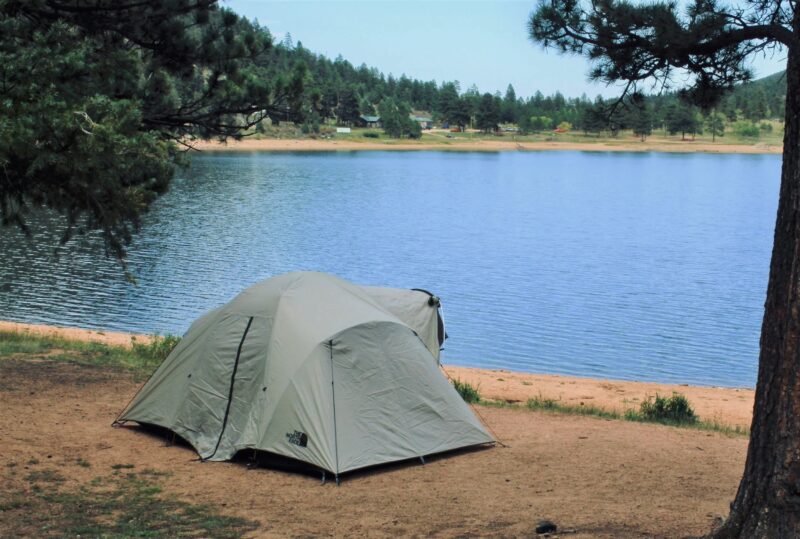
Lakes and forests both offer escape from city noise, yet the experience they provide can feel completely different from the first hour outside. Light, air, space, and daily activities all shift depending on location.
A lakeside setting brings openness, water access, and a more relaxed pace. Forest camping leans toward shade, density, and a stronger sense of isolation. Each option has its own appeal, yet many campers lean toward the lake once they experience the difference in atmosphere and flexibility.
In the sections ahead, we will break down the key reasons why lakeside camping stands out, from comfort and activities to overall mood and practicality.
The Atmosphere Feels More Open And Relaxing
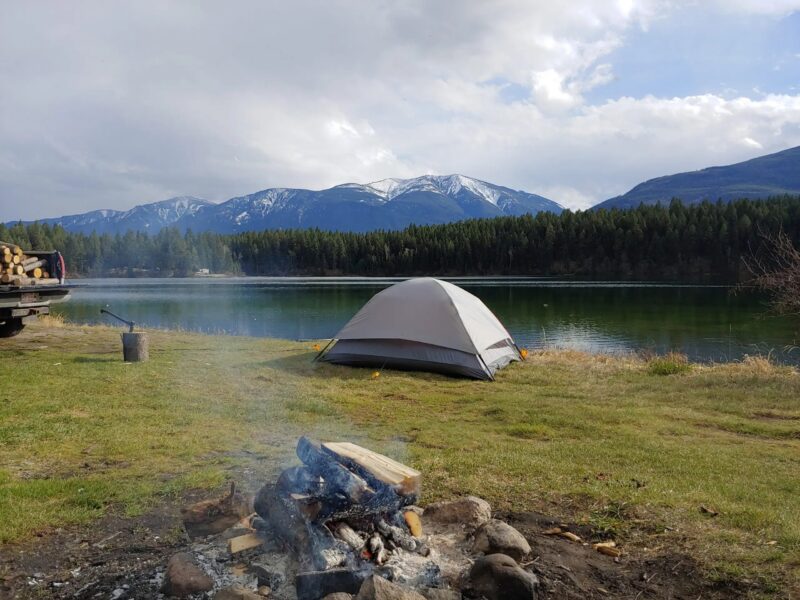
The first thing we notice when arriving at a lakeside campsite is the sense of space. The view stretches outward, the horizon stays visible, and nothing blocks the line of sight for too long. That openness changes how the entire trip feels, from the way we wake up in the morning to how we spend quiet time in the evening.
More Light Throughout The Day
Sunlight reaches lakeside campsites without heavy obstruction. Mornings feel brighter and start earlier, while afternoons keep a natural glow that extends the usable part of the day. In a forest setting, tree cover limits light and can make the space feel dim even when the weather is clear.
A Calmer Visual Environment
Water creates a focal point that naturally slows attention. Small waves, reflections, and subtle movement give the eyes something simple to follow. Instead of constant visual input from dense trees and uneven terrain, the lake provides a cleaner, more stable scene.
Space That Feels Less Restrictive
Moving around a lakeside campsite feels easier. There is more room to walk, sit, and organize gear without navigating around roots, branches, or tight clearings. That extra space helps reduce friction in everyday camping tasks and keeps the experience more comfortable.
A Different Kind Of Quiet
Sound behaves differently near water. Gentle movement of the lake creates a consistent background tone that feels steady and predictable. Forest environments can include sudden noises from wildlife or shifting branches, which may feel less relaxing for some campers.
Water Access Adds More To The Trip
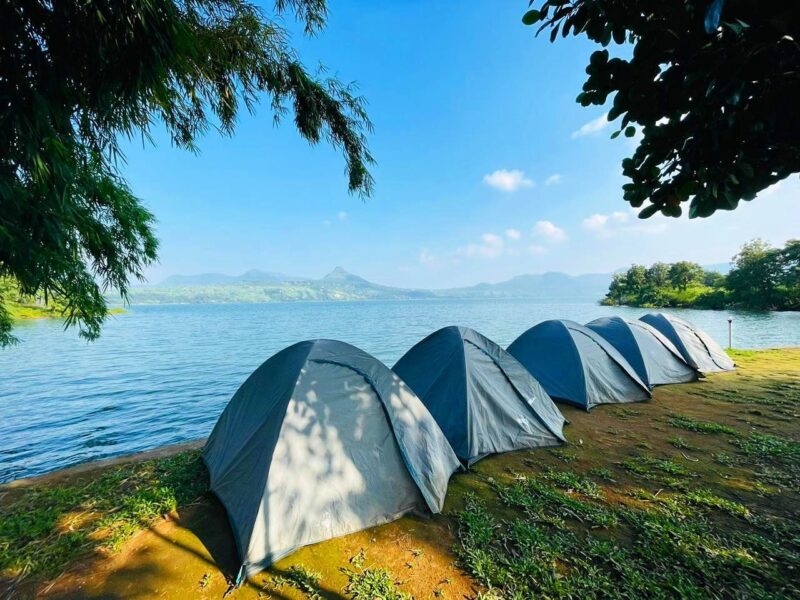
Being close to water changes the entire flow of a camping trip. The lake becomes part of everyday moments, not something we have to plan around. It shapes how we relax, how we spend time, and how the day feels from start to finish.
Swimming And Instant Refresh
Warm weather feels easier when water stays within reach. A quick swim can break up the day, cool the body, and reset energy without effort. No preparation, no long walks, just a simple step into the lake and back.
More Ways To Spend Time Outdoors
A lake naturally expands what we can do. Fishing, kayaking, paddleboarding, or just sitting near the shore all come into play. Even when doing nothing, the presence of water keeps the experience engaging in a quiet, effortless way.
A Similar Atmosphere Can Exist At Home
That calm, water-centered feeling does not have to stay limited to trips. Some people bring a smaller version into their own space with backyard ponds or simple water features. The effect stays similar, a more relaxed environment shaped by movement and the sound of water.
Keeping that setup in good condition calls for basic care. Water needs circulation to stay clear and balanced, and lake and pond aeration systems support that by maintaining oxygen levels and preventing stagnation. With proper upkeep, that same lakeside feeling can exist much closer to home without becoming a burden.
Lakeside Campsites Offer Better Views
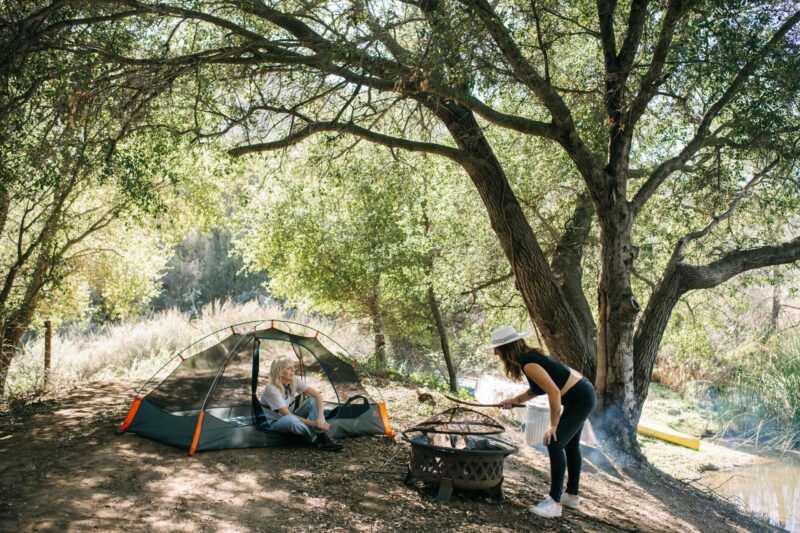
A lakeside location creates a visual experience that stays consistent from morning to night. The view remains open, and every part of the day brings a different atmosphere without changing location.
Wide And Unobstructed Scenery
Looking out over water gives a sense of depth that forest environments rarely provide. The horizon stays visible, and the landscape feels larger. That openness makes even simple moments, like sitting by the tent, feel more engaging.
Light Changes Throughout The Day
The lake surface reacts to light in a way that keeps the scenery dynamic. Morning reflections feel soft, midday light adds clarity, and evenings bring warmer tones. The same spot can look completely different within a few hours.
A Natural Focal Point
Water naturally draws attention. Instead of searching for a place to sit or look, the lake becomes the center of the campsite. It simplifies the environment and gives every moment a clear visual anchor.
Activities Are Easier To Plan By The Lake
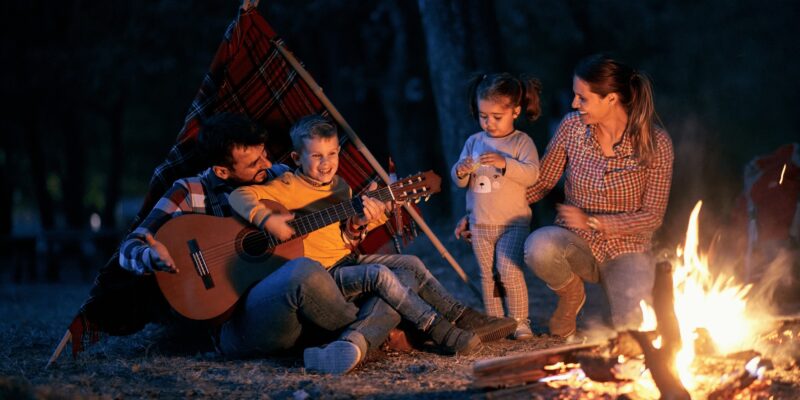
Planning time outdoors becomes simpler when the environment already offers built-in options. A lakeside setup removes the need for constant decision-making.
Everything Happens In One Place
Swimming, relaxing, eating, and exploring can all happen in the same area. There is no need to move between locations or organize separate trips during the day.
Flexible Schedule Without Pressure
The lake allows for spontaneous decisions. A quick swim, a short paddle, or just sitting by the water can happen at any moment. Plans feel less rigid and more natural.
Suitable For Different Preferences
Not everyone camps for the same reason. Some want activity, others want rest. A lakeside environment supports both without conflict, since each person can choose how to spend time without leaving the campsite.
Cooler Air Can Improve Overall Comfort

Temperature and airflow play a major role in how comfortable a camping trip feels. Lakeside areas tend to create more balanced conditions throughout the day.
Natural Air Movement
Water helps generate airflow, which keeps the campsite from feeling stagnant. Even light movement in the air can make a noticeable difference during warmer days.
More Pleasant Evenings
As the day ends, areas near water cool down in a more gradual way. Evenings feel fresher, making it easier to relax, cook, or sleep without discomfort.
Less Heat Buildup Around The Campsite
Open space near the lake prevents heat from getting trapped. Forest areas can hold warmth due to dense tree cover, while lakeside spots allow heat to disperse more easily.
Sunrises And Sunsets Are Part Of The Experience
Light near water creates moments that shape the entire trip. Early mornings and evenings turn into highlights rather than transitions between activities.
Mornings Feel More Inviting
Sunrise over water brings soft light and calm surroundings. Starting the day feels natural and unforced, with a setting that encourages a slower pace.
Evenings Gain More Depth
As the sun goes down, the lake reflects changing colors and adds another layer to the scene. Sitting by the water becomes an experience on its own, without needing anything extra.
A Daily Rhythm Built Around Light
The presence of water makes these moments more noticeable. Instead of passing quickly, sunrise and sunset become part of how the day is structured.
Forest Camping Still Has A Few Advantages
Lakeside camping offers many benefits, yet forest environments still suit certain situations.
More Shade During Hot Days
Tree cover can provide stronger protection from direct sunlight. In extreme heat, that shade can improve comfort during the middle of the day.
Greater Sense Of Privacy
Forests can feel more secluded. Campsites surrounded by trees create a more enclosed space, which some people prefer.
Protection From Wind
Dense vegetation can reduce exposure to wind, making conditions more stable in certain weather situations.
Which Camping Style Fits Different Types Of Campers
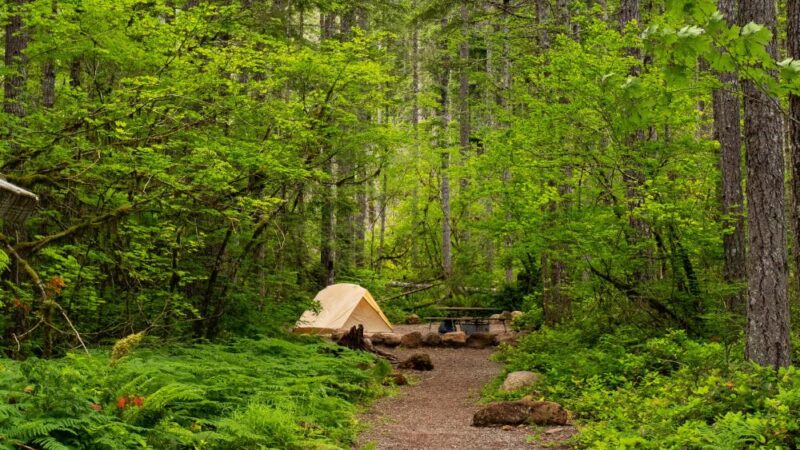
Choosing between a lake and a forest depends on what we expect from the trip.
For Relaxation And Easy Activities
Lakeside camping suits those who want a mix of rest and simple outdoor options without much planning.
For Seclusion And Deeper Nature Feel
Forest camping works better for those who prefer isolation, shade, and a more enclosed environment.
Final Thoughts
Lakeside camping stands out for its openness, flexibility, and overall comfort. Water access, better airflow, and wider views shape an experience that feels lighter and easier to enjoy from the moment we arrive.
Forest camping still holds value, especially for shade and privacy. Even so, when we look at the full picture, lakeside settings bring more variety and a smoother flow to the entire trip. For many of us, that difference becomes clear after just one stay by the water.