
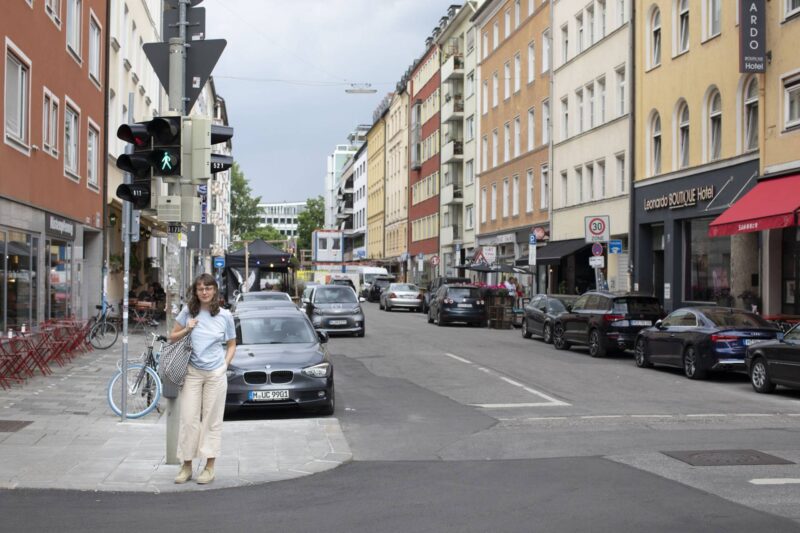
Most people arrive in Munich with a clear picture in mind: clean streets, big beer halls, and well-organized museums. That version of the city is real, but it is only part of the story. If you stay a little longer and move beyond the central squares, you start noticing places that feel less polished. These corners are where students, artists, and long-time locals shape a more current version of Munich.
This guide focuses on areas and experiences that still feel active and evolving. You will not find checklist attractions here. Instead, you get neighborhoods, venues, and small details that give you a better sense of how the city works day to day.
Where Munich Still Feels Unfiltered
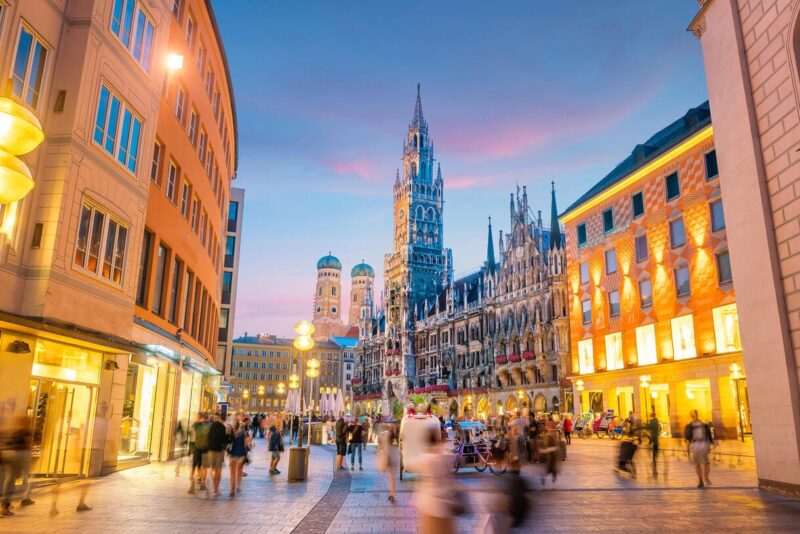
The easiest way to see Munich differently is to spend time in neighborhoods that are not built around tourism. These areas are still central enough to reach on foot or by tram, but they move at their own pace.
Glockenbachviertel: Everyday Creative Energy
Glockenbachviertel is often described as trendy, but that word does not fully explain it. What stands out here is how mixed everything feels. Independent shops sit next to long-standing cafés. Bars change ownership, but the regular crowd stays.
If you walk through in the late afternoon, you will notice people working on laptops, meeting friends, or just sitting outside with a drink. There is no single highlight, which is exactly the point.
What to pay attention to:
- Small design stores that rotate local brands
- Cafés that double as workspaces during the day
- Streets like Müllerstraße, where the mix feels most natural
This area rewards slow walking. Pick a street, follow it, and stop when something catches your attention.
A Different Side of Nightlife and Social Spaces
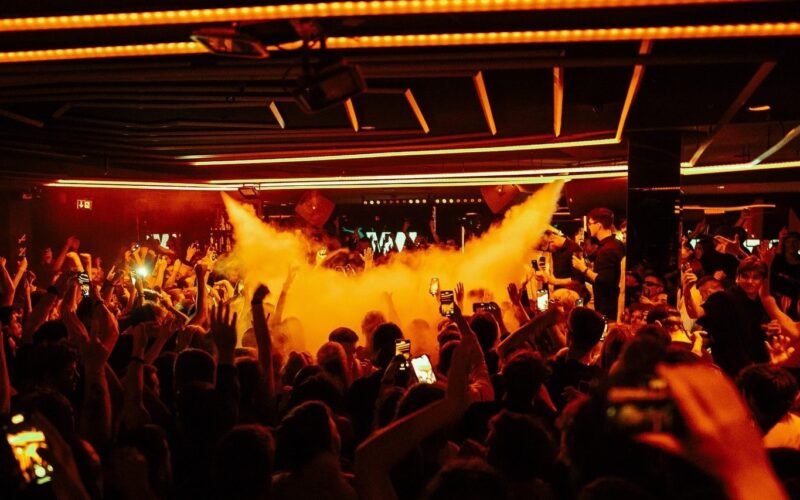
Munich has a reputation for controlled nightlife, but there are places where things feel more open and less predictable. These spots are not hidden, but they are easy to miss if you stick to the obvious routes.
One example is the growing number of adult-oriented services and private venues that reflect a broader social scene. For those curious about this side of the city, you might come across services like escort München, which are part of a discreet but visible layer of urban life. It is not something most travel guides mention, but it does exist, and it reflects how diverse the city really is.
Beyond that, the more accessible nightlife spaces include converted industrial venues and small clubs that host local DJs. These places are less about big names and more about consistent, local crowds.
Creative Spaces Built From Old Infrastructure
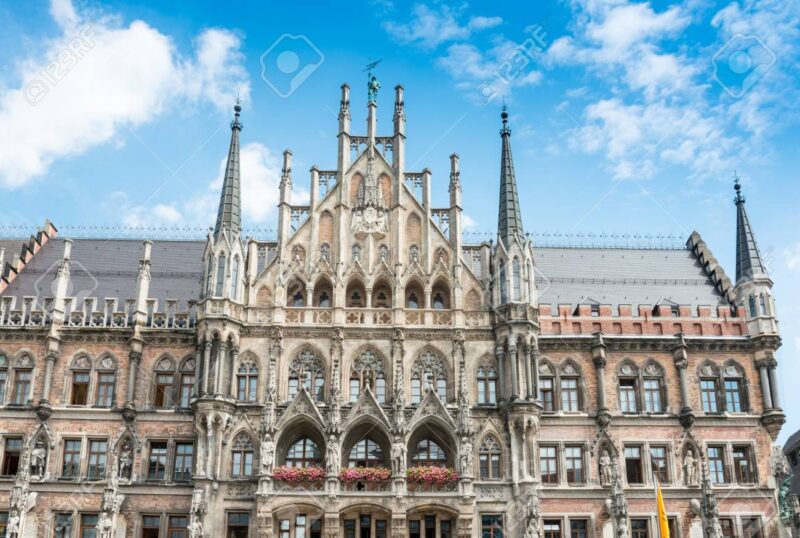
Munich does not have the same scale of abandoned industrial areas as Berlin, but it still makes use of older spaces in interesting ways. Several cultural hubs have grown out of former factories or warehouses.
Bahnwärter Thiel and Similar Projects
Bahnwärter Thiel is a good example of how Munich handles reuse. It is built from shipping containers, old train cars, and temporary structures. The layout changes over time, which keeps it from feeling fixed or overly designed.
Inside, you will find:
- Rotating art installations
- Small concerts and DJ sets
- Outdoor seating that feels informal
Important note: Many of these spaces operate with flexible schedules. Always check opening times before visiting, especially outside summer months.
These venues work best if you arrive without strict expectations. Stay for an hour, see what is happening, and move on if it is not your scene.
Street Art and Visual Culture in Unexpected Places
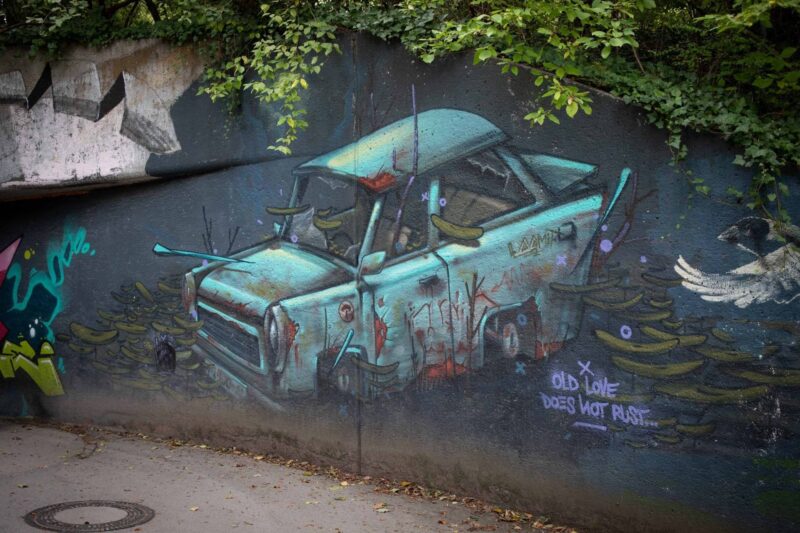
Munich is not known as a street art city, but that makes the existing work more noticeable. Instead of large, organized murals, you find smaller pieces spread across different districts.
Where to Look Closely
You will see the most activity around:
- Schlachthofviertel
- Parts of Sendling
- Underpasses and train-adjacent walls
The art is often temporary. Pieces get covered, replaced, or removed. That constant change keeps things interesting if you revisit the same area.
Here is a quick comparison of what to expect:
| Area | Type of Work | Best Time to Visit |
| Schlachthofviertel | Graffiti and tags | Late afternoon |
| Sendling | Mixed murals | Midday |
| Train corridors | Experimental pieces | Morning |
After exploring, it helps to sit nearby and observe how people interact with the space. In many cases, locals treat these areas as normal parts of their routine rather than attractions.
Food Spots That Reflect Local Habits
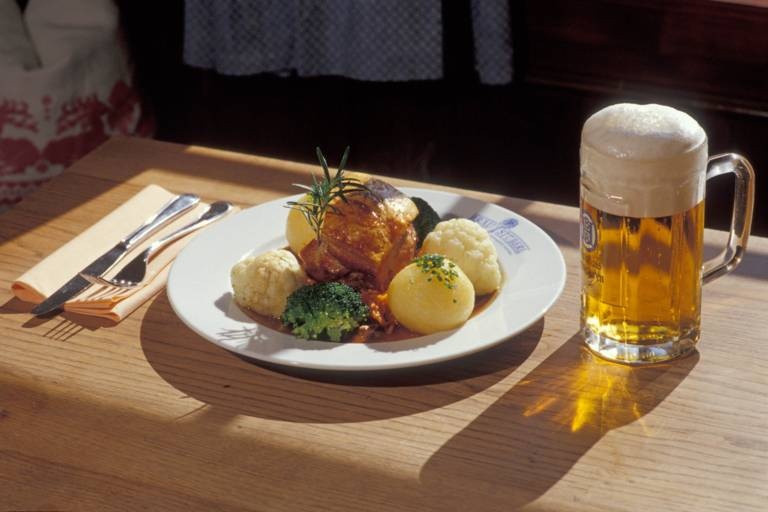
Food is one of the easiest ways to understand a city, but you need to choose places that locals actually use. In Munich, that usually means smaller, less visible venues.
What Makes a Place Worth Trying
Look for spots that meet at least one of these conditions:
- Limited menus that focus on a few dishes
- Regular customers who seem to know the staff
- Locations slightly away from main squares
You will find bakeries that sell out by early afternoon, small Turkish or Middle Eastern eateries, and simple Bavarian kitchens that avoid tourist-heavy streets.
Did you know?
Some of Munich’s best lunch spots close by 2 pm because they serve a fixed daily crowd. If you arrive late, you miss them entirely.
Instead of planning every meal, leave room to adjust based on what you see during the day.
Markets and Public Spaces With Real Activity
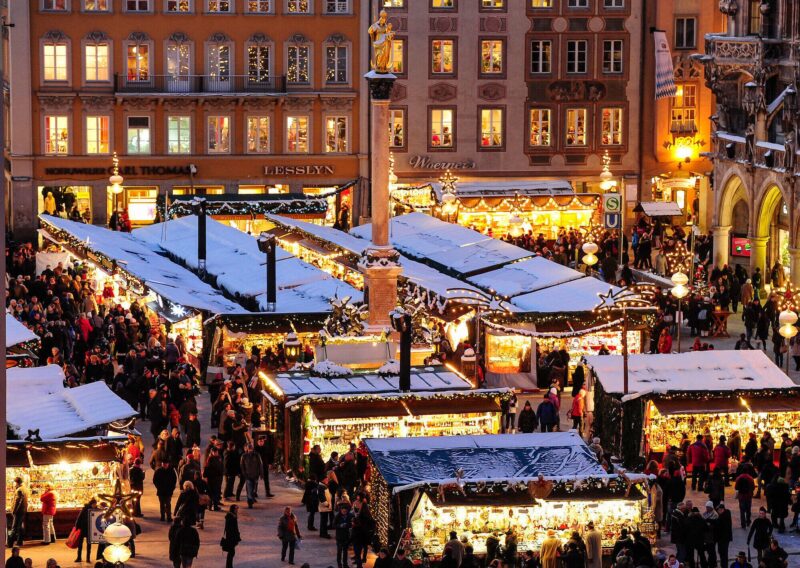
Markets offer a clear look at how residents shop and interact. While Viktualienmarkt is well known, smaller markets feel more grounded.
Giesing and Westend Market Life
In districts like Giesing, weekly markets are part of routine life. People come to buy produce, not to browse. The pace is steady, and transactions are quick.
What you will notice:
- Vendors who recognize repeat customers
- Simple setups without decorative displays
- A focus on essentials rather than specialty goods
If you visit, go early. By midday, many of the best items are already sold. Stay long enough to see how people move through the space, not just what they buy.
Practical Tips for Exploring These Areas
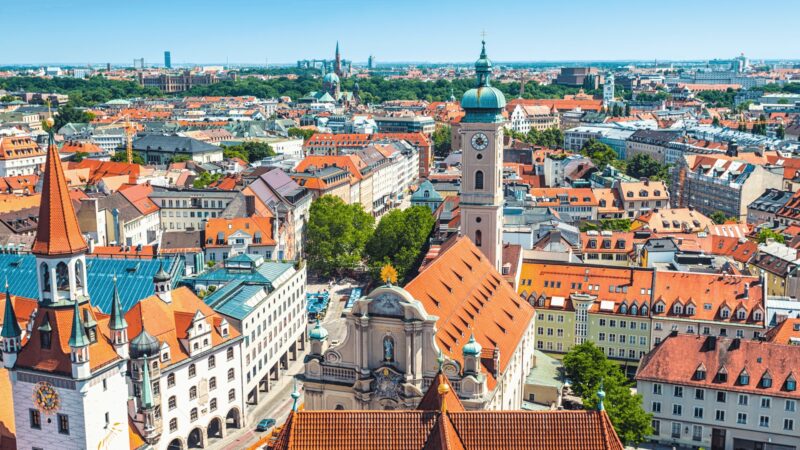
Moving through these parts of Munich is straightforward, but a few habits will make your experience smoother.
- Use trams and U-Bahn lines instead of taxis
- Walk between neighborhoods when possible
- Carry cash for smaller venues and markets
Another useful approach is to limit your daily plan. Choose one area, spend a few hours there, and then decide your next move based on what you have seen.
Key point: Munich rewards patience. The more time you spend observing, the more detail you notice.
Avoid trying to cover too much in one day. These areas are not about landmarks but about patterns and small interactions.
Closing Thoughts on Munich’s Less Obvious Side
Munich does not present its creative side in obvious ways. You have to look for it, and sometimes you have to return to the same place more than once. That effort pays off because what you see feels real rather than staged.
By focusing on neighborhoods like Glockenbachviertel, spaces like Bahnwärter Thiel, and everyday markets, you get a version of the city that is still active and changing. It is not dramatic or extreme. It is simply consistent and lived-in.
If you approach the city with curiosity and give yourself time to explore without strict plans, these corners become easier to find. That is where Munich starts to feel less like a destination and more like a place people actually live.